EU ECGT for Food and Drink brands and what changes by September 2026
If you sell food or drink into the EU, your sustainability claims are about to be regulated, here is the simple compliance plan
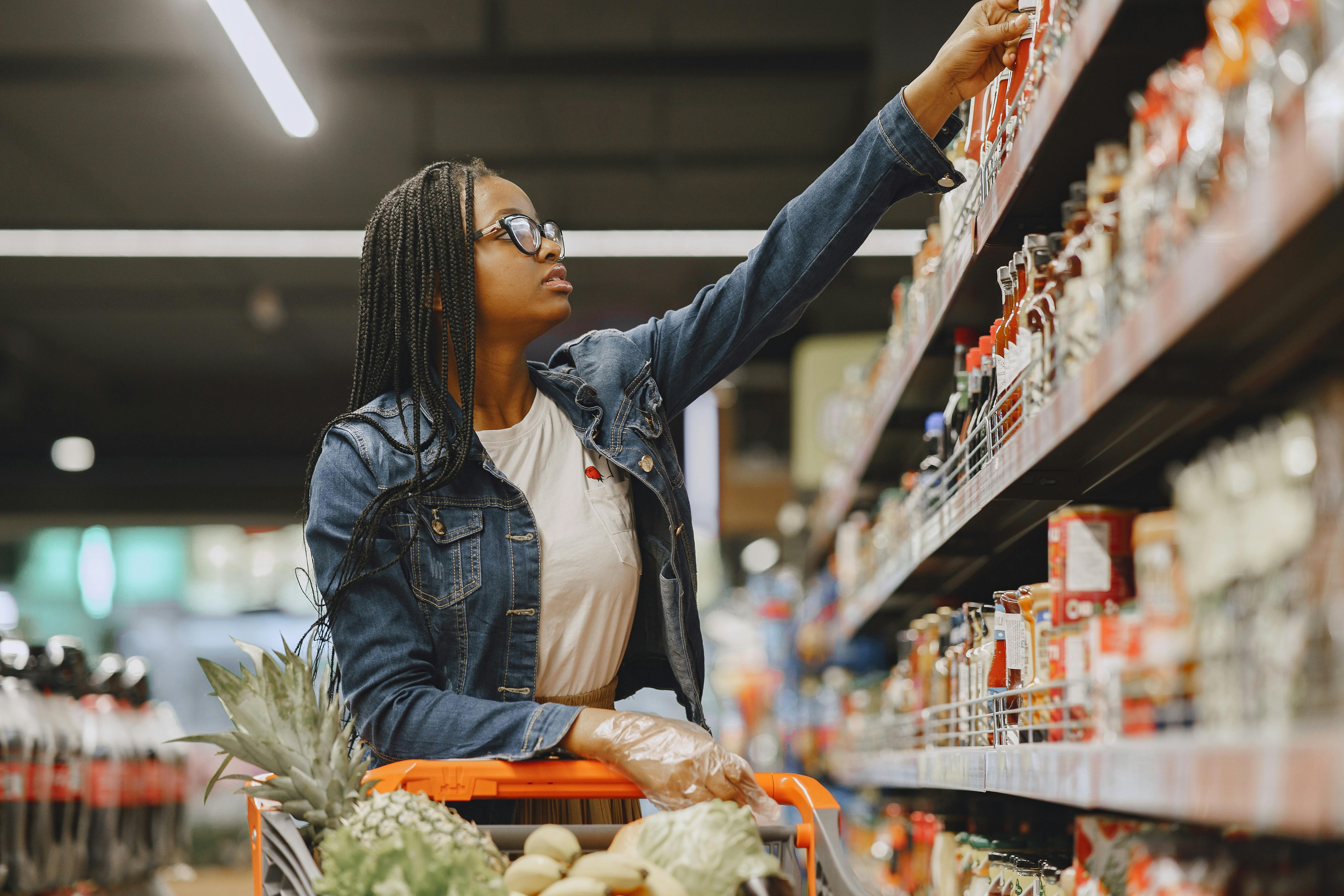
Food and drink brands are under pressure to market sustainability. That usually shows up as claims like:
“Eco packaging”
“Sustainably sourced”
“Plastic free”
“Carbon neutral coffee”
“Climate positive delivery”
“Regenerative ingredients”
From 27 September 2026, many of these common phrases become legally risky in EU consumer marketing, and some become effectively prohibited unless strict conditions are met. This includes packaging, product pages, paid ads, social posts, shelf talkers, and retailer PDP copy. (Source: European Commission, 2024)
This matters even if a brand is based in the UK or US. If products are sold into the EU, or marketing targets EU consumers, the same rules can bite. (Source: European Commission, 2025)
What is EU ECGT, in one paragraph
ECGT is the EU Empowering Consumers for the Green Transition Directive, formally Directive (EU) 2024/825. It updates the EU’s main consumer marketing laws, especially the Unfair Commercial Practices Directive and the Consumer Rights Directive, to reduce greenwashing and misleading consumer information. (Source: European Commission, 2025)
In plain terms, ECGT is about what is said to consumers and what is implied in consumer marketing.
The dates that matter
By 27 March 2026: EU countries must convert ECGT into national law. (Source: European Commission, 2025)
From 27 September 2026: ECGT applies in practice. (Source: European Commission, 2024)
For food and drink, this is not only a website problem. It is a packaging and retail partner problem, because packs and assets are often planned many months in advance.
A quick clarification, ECGT is happening even if the Green Claims Directive is uncertain
There has been political uncertainty around the separate Green Claims Directive negotiations, including pauses and debate about burdens on micro-businesses. (Source: AP News, 2025)
However, ECGT is already adopted and has a clear application date in 2026. Brands cannot wait for “clarity later”. (Source: European Commission, 2025)
The 6 claim types most likely to trip up food and drink brands
1) Generic “eco” claims and vague pack language
Terms like “eco-friendly”, “green”, and “environmentally friendly” are treated as generic environmental claims and are prohibited unless backed by recognised excellent environmental performance. (Source: European Commission, 2025)
Food and drink examples to review now:
“Eco packaging”
“Good for the planet”
“Sustainable snack”
“Earth friendly bottle”
Safer alternative: make the claim specific and scoped.
Instead of: “Eco packaging”
Use: “Bottle is 100% aluminium, widely recycled in many EU markets, cap is plastic, check local recycling guidance.”
2) “Carbon neutral” and “climate positive” product claims based on offsets
ECGT prohibits claiming a product has a neutral, reduced, or positive greenhouse gas impact when the claim is based on offsetting outside the product’s value chain. The Commission’s Q&A lists typical phrases such as “climate neutral”, “CO2 neutral certified”, “carbon positive”, and “climate compensated” as examples of the prohibited pattern. (Source: European Commission, 2025)
This hits common food marketing like:
“Carbon neutral chocolate” based mainly on credits
“Climate compensated delivery”
“Net zero coffee” used on pack
What is still possible: climate claims based on real, verifiable lifecycle reductions, clearly explained, and not presented as “offset equals neutral”. (Source: European Commission, 2025)
3) Packaging claims without space for the explanation
Food packaging is where brands get caught. If a pack says “climate-friendly packaging” with no clear, nearby explanation, the Commission’s guidance treats that as a generic environmental claim example. It also warns that if there is no space to specify the claim, the claim should generally not be made. (Source: European Commission, 2025)
Practical implications:
If a claim needs a footnote and the pack has no room, rethink the claim
QR codes can help, but the core claim still needs enough context to avoid misleading consumers
4) “Green” imagery and icons that imply a claim
ECGT covers claims that are implied, not only written. The Commission guidance flags packaging artwork such as leaves and water drops as potentially being interpreted by consumers as implicit environmental claims, depending on context. (Source: European Commission, 2025)
For food and drink brands, this is especially relevant to:
“Green” badge designs
Leaf icons used as a shorthand for sustainability
Own-label “planet friendly” seals
5) Sustainability labels and badges must be credible
ECGT restricts the display of sustainability labels that are not based on a proper certification scheme or not established by public authorities. (Source: European Commission, 2025)
If a label looks like certification, it needs certification-grade governance.
6) Organic, vegan, and ethical claims, where food is different
Food brands have sector-specific rules. The Commission Q&A is explicit that where sector rules exist, they take precedence for that specific issue, and the UCPD sits as a complementary framework. This is discussed in the context of organic food rules under Regulation (EU) 2018/848. (Source: European Commission, 2025)
It also notes that whether “vegan” or “vegetarian” labels qualify as sustainability labels can depend on context and how consumers perceive them, especially if the brand implies environmental or social benefits such as animal welfare. (Source: European Commission, 2025)
This does not mean vegan or organic messaging must stop. It means:
The claim must be accurate within the right rule set
Brands should avoid implying extra environmental superiority without evidence
When a claim works, and when it does not
Common wordingWhy it is riskySafer direction“Eco packaging”Generic and unclearSpecify what is improved and how, on pack“Carbon neutral product” (offset-led)Prohibited pattern when based on offsettingTalk about real reductions, keep offsets separate and non-misleading“Sustainably sourced”Too broad without scope and methodName the ingredient, the standard, and the coverage percentage“Vegan = better for the planet”Implies environmental benefit without substantiationKeep it factual, avoid superiority claims unless proven
What happens if a brand ignores ECGT
Enforcement is handled by national consumer authorities. Practical outcomes can include forced changes to campaigns, removal of marketing materials, corrective statements, and financial penalties.
For major cross-border infringements, EU consumer enforcement frameworks require Member States to provide for fines of at least 4% of turnover, or €2 million where turnover is unavailable, depending on the enforcement route and local implementation. (Source: EUR-Lex, n.d.)
There is also a very practical food and drink issue: stock already on shelves. Industry groups have raised concerns that certain interpretations could create costly relabelling and point-of-sale fixes for goods placed on the market before the application date. (Source: Sustainability Online, 2025)
How ECGT connects to B Corp, and why earlier recertification is now strategic
Many food and drink brands use B Corp as a trust signal in consumer marketing.
B Lab has connected its updated certification model to ECGT compliance needs:
B Lab UK strongly recommends ECGT-impacted companies submit their self-assessment for audit as soon as possible, and before 15 July 2026, to allow time for recertification before ECGT applies. (Source: B Lab UK, 2025)
B Lab Europe says recertification on the new standards is strongly recommended before September 2026 for ECGT-impacted companies. (Source: B Lab Europe, 2025)
B Lab explains that the new certification model is designed to meet the legal requirements for a valid sustainability label in the EU for companies impacted by ECGT. (Source: B Lab, 2025)
For CEOs, the takeaway is simple: if B Corp is used in EU-facing consumer communications, the timeline is now a commercial risk, not an admin detail.
Where Ella fits, making compliance practical rather than painful
ECGT readiness is mostly operational work, tracking claims, assembling evidence, and keeping wording consistent across packs, websites, and ads.
Ella, an AI ESG agent, supports B Corp certification work through AI-powered evidence collection, policy drafting, and B Impact Assessment management under the new standards. (Source: Ella, n.d.)
That same evidence-first approach helps teams build a claims register, organise substantiation packs, and reduce last-minute legal risk before September 2026.
The quick CEO checklist
Remove generic “eco” pack wording unless it is demonstrably backed by recognised excellent performance
Stop using offset-led “carbon neutral” product claims
Audit green icons and self-made sustainability badges
Treat “net zero by X” and “regenerative by X” marketing as regulated claims that need a plan and independent verification
Build one claims register now, before packaging and retailer assets are locked
If B Corp is used in EU consumer marketing, plan recertification early
FAQs
When does the EU ECGT directive apply?
It applies from 27 September 2026, after EU countries transpose it into national law by 27 March 2026. (Source: European Commission, 2024)
Does ECGT apply to UK or US food brands?
Yes, if the brand sells into the EU or targets EU consumers with marketing and product communications. (Source: European Commission, 2025)
Can “carbon neutral” still be used on food packaging?
Product claims that rely on offsetting outside the value chain are prohibited under ECGT’s blacklist approach. Brands can still talk about real reductions and can talk about funding climate projects, but not in a way that implies the product is climate neutral because of offsets. (Source: European Commission, 2025)
Are organic claims affected by ECGT?
Organic terms are primarily governed by sector-specific EU organic rules. The Commission guidance explains how sector rules take precedence where applicable. (Source: European Commission, 2025)
Do vegan labels count as sustainability labels?
It depends on context and how the claim is communicated and perceived, especially if the brand implies environmental or social benefits. (Source: European Commission, 2025)
What should a CEO ask for this week?
Ask for a one-page list of every consumer-facing sustainability claim, with a Red, Amber, Green rating and the evidence owner. If that does not exist, compliance risk is already present.
CTA
For food and drink brands selling into the EU, the goal is not saying nothing. It is saying only what can be proven, consistently, across every channel.
Book an ECGT and B Corp readiness review with Ella to build a claims register, organise evidence, and reduce risk before September 2026.